
My Cart
Loading...
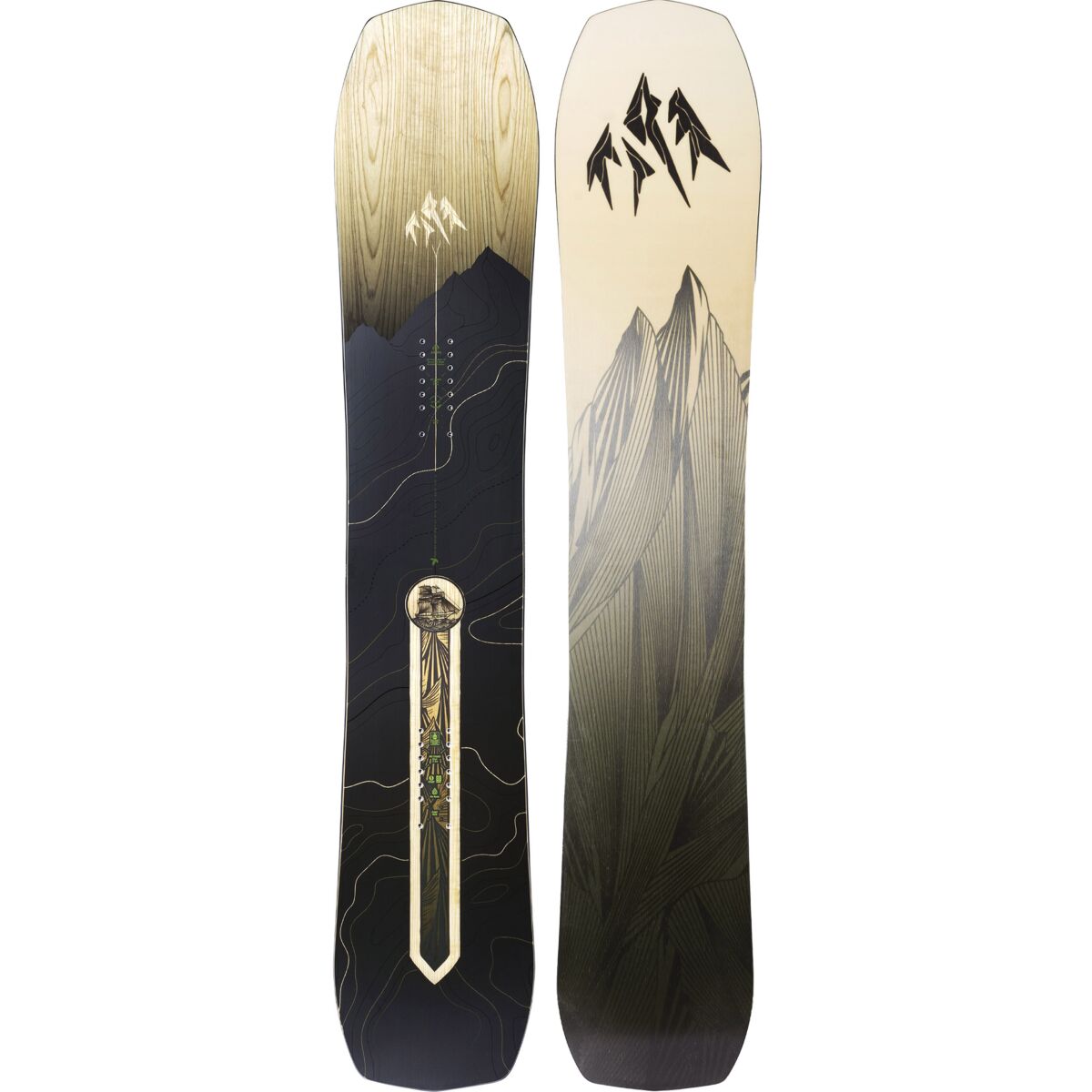
Jones Flagship 26/27

€749.95

Loading...
Showroom pick code
Scan with the pick app
- Our customers rate us 9.6 out of 10
- Fast world wide shipping
- Ordered before 16:00 CET, Shipped the same business day
Product properties
Terrain
Freeride
10
All Mountain
8
Powder
7
Personality
Soft & playful
Medium
Stiff & aggressive
Level
Beginner
Intermediate
Advanced
Highly Advanced
Expert
Important details
| Season | 2026-2027 |
|---|---|
| Style | All-Mountain, Freeride |
| Profile | Directional Rocker-Camber-Rocker |
| Shape | Directional |
| Personality | Medium-Stiff & Responsive |
| Snowboard Core Types | Poplar, Paulownia, Bamboo |
| Snowboard Fibers Core | Triax |
In short
The Jones Flagship is the board where nearly two decades of Jeremy Jones’ freeride development come together. For years it has been one of the benchmark freeride snowboards on the market, built for riders who want stability, edge control and confidence in demanding terrain. The board feels powerful and composed at high speed, with exceptional grip on hardpack, steep faces and technical lines where precision really matters. Its directional freeride shape creates strong float in deep snow, while the responsive flex keeps the ride energetic and dependable when conditions get rough or variable. Equipped with Float Pack inserts for the deepest days, the Flagship can easily be set back for maximum nose lift in serious powder conditions. This is the kind of board that rewards riders who like to ride fast, stay aggressive and trust their edge in every condition.
In detail
PROFILE
- High 3D Contour Base
Designed for freeride performance, this base features 7 mm of spoon bevel in the nose and up to 7 mm in the tail for maximum float and flow. Turn initiation is effortless, and the rounded tips reduce drag for a smooth, catch-free ride. Perfect for riders seeking a surfy feel and fast glide in deep or variable snow.
- Blunt Nose
Wider capped nose. As a result, you plow less through the snow and it looks like you have a longer nose. You also get a lower swing rate.
- Progressive Sidecut
By increasing the sidecut radius towards the contact points, the board gets a smooth entry and exit phase during your turns.
CORE
- FSC Power Core
This triple core with Bamboo stringers provides extra pop. The Paulownia keeps the core light. The hard type of wood around the edges provides extra direct power transmission during edge change.
REINFORCEMENTS
- BComp Carbon Flax Stringer
These stringers combine carbon and natural flax fibers to deliver the ideal balance of performance and sustainability. The carbon adds powerful pop and responsiveness, while the flax dampens vibrations for a smoother ride. By using less pure carbon, the environmental footprint is reduced.
- Basalt Power Stringers
New sustainable stringer made with 100% natural fibers. Basalt stringers improve torsional response and transfer power from under your feet to the tips of the board to help eliminate nose and tail chatter.
- Triax Fiberglass
Multi-axis, stitched fiberglass laminate that ofers a precise and responsive ride in any terrain or snow conditions.
BASE
- Sintered 9900 Base
Super strong, durable and fast base which is relatively easy to repair due to the combination of Polyethylene and Carbon UHMW-PE.
- Wend Natural Wax
Jones boards are ready to shred straight out of the shop and are factory waxed with WEND natural wax.
TOPSHEET
- FSC Engineered Veneer Topsheet
A mixed wooden topsheet. Made from 100% FSC certified wood laminate. Damps and absorbs vibration from the board.
SIDEWALL & EDGES
- Recycled ABS
Jones recycles as much of the base materials as possible to minimize the impact on the environment. So the base of the board above can be 'inverted' (flipped). By always reversing the colors of the base, as little base material as possible is wasted. We cannot therefore promise you a base variant as we also receive them differently.
- Oversized Recycled Edges
All Jones boards are made with oversized recycled steel edges for added durability and improved production sustainability.
- Traction Tech
Traction Tech is the Jones equivalent of the better known Magne-Traction. Traction-Tech is a slight wave in the steel side. This gives more grip, because it cuts deeper and sharper in snow or ice. Traction-Tech comes in 3 variants from Jones: 1.0, 2.0, 3.0. The number stands for the number of undulations per steel edge. More undulations means more grip, but also a more aggressive character of the board.
- Factory Tuned
All Jones snowboards are factory de-tuned at the tip and tail so you can go right from the shop to the mountain.
OTHERS
- Forever Flex
Forever Flex is a new manufacturing process that helps stabilise the flex and rocker of a board for its lifetime.
- Super Sap Bio Resin
All Jones boards are now built with bio-based, renewable epoxy instead of petroleum based epoxy. The raw materials used to make Super Sap Bio-Resin are coproducts or waste products of other plant based industrial processes. Producing Super Sap requires 33% less greenhouse gas emissions than conventional epoxy.
- Float Pack Inserts
An extra set of float inserts with heavy setback for the extreme powder days.
Technical
Characteristics
-
 Profile
Directional Rocker-Camber-Rocker
The camber between the feet provides grip and power, while the longer rocker in the nose improves float and makes turn initiation easier. The shorter rocker in the tail makes the board easier to steer and creates a more playful, forgiving ride than Camber-Rocker-Camber. You will mainly find this profile in all-mountain and freeride boards.
-
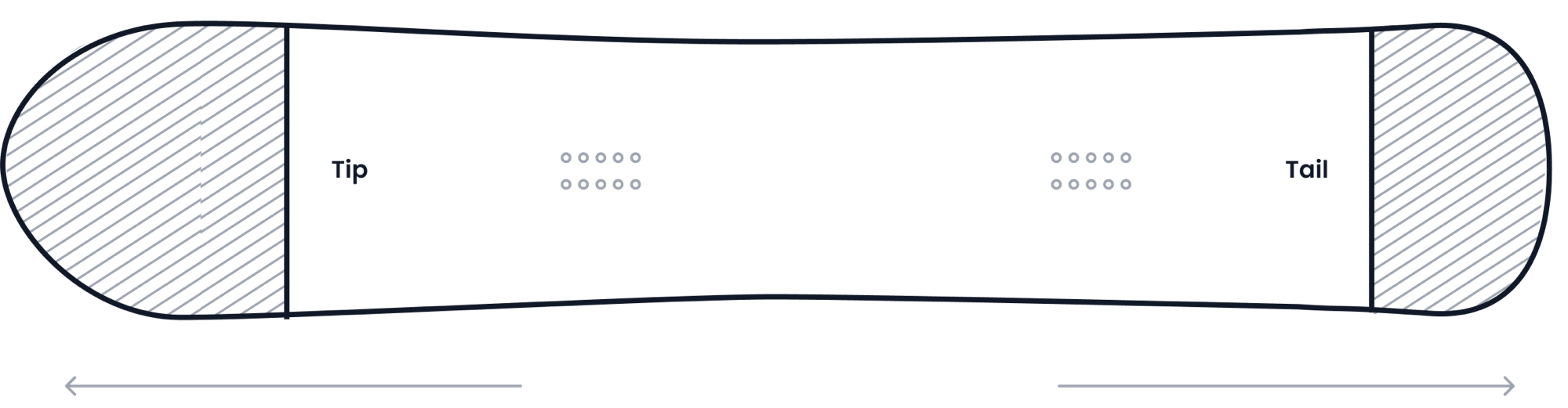 Shape
Directional
On a directional snowboard, the nose and tail are deliberately designed differently, and the board is intended to be ridden primarily in one direction. The nose is often longer and wider than the tail, while the stance is positioned further back. These features are known as taper and setback. The nose also often has a softer flex than the tail. This combination provides additional float in powder, smooth turn initiation and greater stability at speed. Directional shapes are mainly found on all-mountain, freeride and powder boards.
-
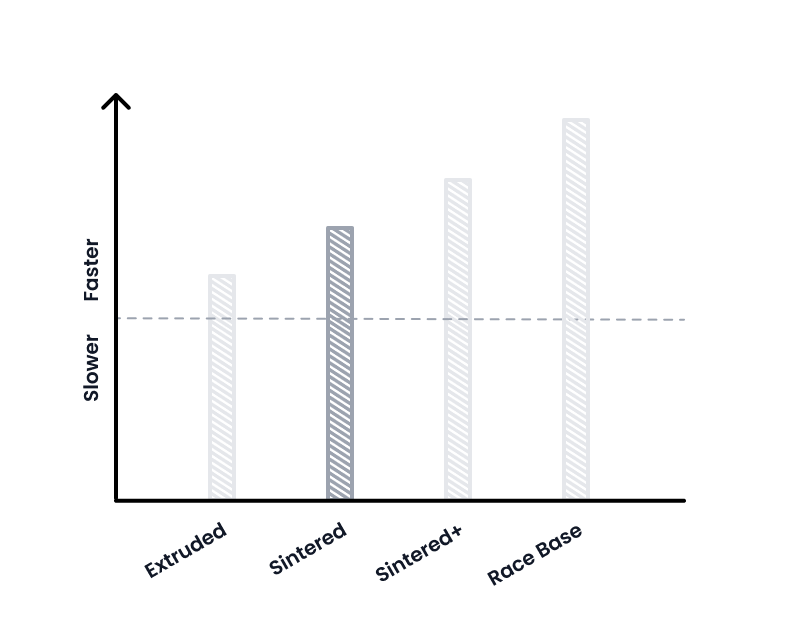 Base Speed
Sintered
A sintered base is compressed under high pressure and has a porous structure that absorbs plenty of wax. This makes the base faster and allows it to perform better in changing snow conditions. The material is harder and more wear-resistant than an extruded base, but it requires regular waxing and is more difficult to repair. A good choice for advanced riders who value speed and performance.
-
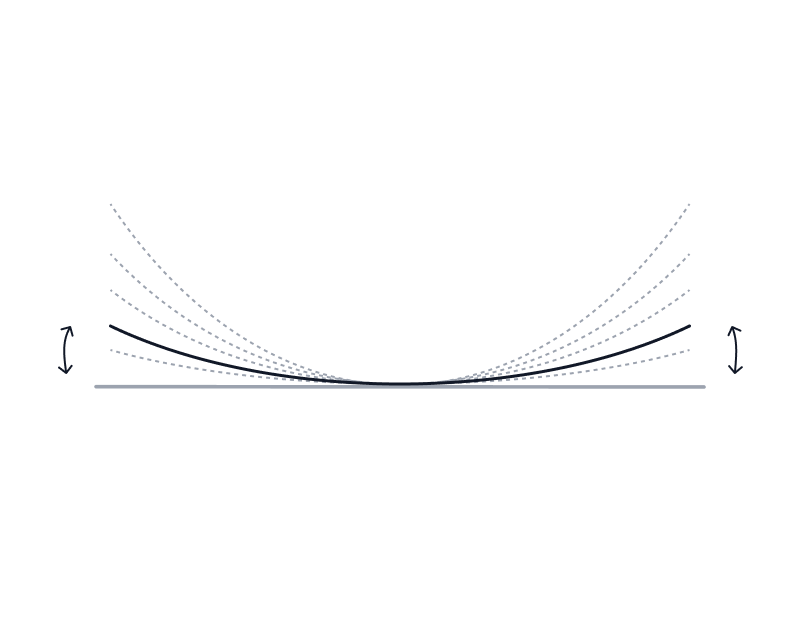 Flex
Medium-Stiff & Responsive
A medium-stiff flex provides more edge hold, response and stability at higher speeds. The board requires a more active riding style but delivers extra control during powerful carves and in challenging terrain. This flex suits experienced riders who enjoy all-mountain, freeride or technical freestyle riding.
Size chart
SIZECHART
| Jones Flagship Sizechart | ||||||||||||
|---|---|---|---|---|---|---|---|---|---|---|---|---|
| Size | 151 | 154 | 156W | 158 | 159W | 161 | 162W | 164 | 165W | 167 | 169W | 172 |
| Sidecut Radius (m) | 7.3 | 7.9 | 8.3 | 8.5 | 8.7 | 9.1 | 9.3 | 9.3 | 9.4 | 9.4 | 9.5 | 9.5 |
| Effective Edge (mm) | 1118 | 1142 | 1156 | 1176 | 1180 | 1200 | 1210 | 1226 | 1234 | 1246 | 1266 | 1288 |
| Tip Width (mm) | 290 | 292 | 306 | 294 | 307 | 296 | 307 | 299 | 311 | 305 | 317 | 311 |
| Tail Width (mm) | 276 | 278 | 292 | 281 | 295 | 283 | 294 | 286 | 298 | 292 | 304 | 298 |
| Waist Width (mm) | 243 | 246 | 261 | 249 | 263 | 252 | 263 | 254 | 266 | 259 | 270 | 263 |
| Rider Weight (kg) | 54–77 | 54–77 | 59–82 | 59–82 | 64–86 | 64–86 | 73–95 | 73–95 | 73–95 | 73–95 | 77–100 | 77–100 |
| Rider Weight (lbs) | 120–170 | 120–170 | 130–180 | 130–180 | 140–190 | 140–190 | 160–210 | 160–210 | 160–210 | 160–210 | 170–220 | 170–220 |
| Total Weight (kg) | 2.7 | 2.8 | 3 | 2.9 | 3.1 | 3.1 | 3.3 | 3.2 | 3.3 | 3.4 | 3.6 | 3.6 |